
- Home
- Hot
- Products
- Application
- About Us
- Technical Guide
- News
- Contact Us
 English
Views: 0 Author: Site Editor Publish Time: 2026-10-27 Origin: Site


Operating an industrial shredder with compromised cutting edges directly degrades facility throughput. It spikes energy consumption and accelerates wear on critical drivetrain components. This guide focuses exclusively on heavy-duty industrial equipment. Common office paper shredder hacks are entirely ineffective here. Running aluminum foil through the machine or using standard hand files will damage hardened industrial blades. Facility managers must balance the immediate need to restore cutting efficiency against the risks of improper in-house sharpening. Poor techniques can permanently alter blade geometry or ruin the steel temper. We break down the technical evaluation of blade wear and compare in-house maintenance against professional CNC restoration. You will learn a framework for safely sharpening a high-value shredder blade without sacrificing operational lifespan.
Tolerance is Critical: Sharpening is not just about creating a sharp edge; it requires strict adherence to OEM geometric tolerances to maintain the required cutting gap and prevent rotor imbalance.
Heat Management is Non-Negotiable: Improper grinding speeds or lack of coolant during in-house sharpening will draw the temper out of the steel, leading to premature catastrophic failure.
In-House vs. Outsourced: While minor edge dressing can be performed in-house with surface grinders or specialized belt systems, deep chips and complete geometry restoration require professional CNC grinding services.
Application Dictates Frequency: Knives for the recycling industry processing abrasive materials (like tire wire or e-waste) require vastly different maintenance schedules and edge angles compared to standard plastic shredder knives.
Operating industrial shredding equipment with blunt cutting edges triggers a cascade of mechanical and operational failures. Throughput reduction is the most immediate symptom. Rounded edges fail to pierce and shear incoming material. Instead, the material bridges across the cutting chamber. It bounces above the rotor or passes through the screens un-shredded. This forces the system to work harder to process the same volume. Facilities experience a severe drop in tons-per-hour metrics. Operators often have to run material through multiple passes to achieve the desired output size. This bottleneck disrupts downstream sorting and processing lines, leaving conveyor belts empty and secondary granulators starved for feed material.
Energy consumption spikes directly correlate with dull cutting edges. A sharp blade cleanly shears material with minimal resistance. A blunt edge relies on brute force to tear or crush the material against the bed knife. This crushing action requires significantly more torque from the drivetrain. The shredder motors draw higher amperage to overcome the resistance. Sustained high amperage leads to motor overheating and trips thermal overloads, shutting down the line entirely. Facilities pay a premium for this wasted electrical energy. The power grid demand charges increase, eating directly into operational margins and inflating the cost per ton of processed material.
Mechanical stress destroys shredder drivetrains when blades lose their shearing capability. The blunt-force impact sends shockwaves through the entire machine. You can hear the difference on the floor; a sharp shredder produces a consistent cutting sound, while a dull one hammers and bangs violently. Gearboxes absorb these violent vibrations. Gear teeth chip and fail prematurely. Bearings endure excessive radial loads, causing the races to score and the seals to blow out. Rotor shafts suffer metal fatigue from the constant deflection. The bed knives take a severe beating, often cracking under the immense pressure. Replacing a shattered gearbox or a bent rotor shaft requires days of downtime. Maintaining sharp edges prevents this catastrophic mechanical wear.
Operational Metric | Sharp Blades | Dull Blades | Impact on Facility |
|---|---|---|---|
Throughput (Tons/Hour) | Maximum rated capacity | Drops by 30% to 50% | Severe bottlenecks downstream |
Motor Amperage | Stable, within normal limits | Frequent spikes, thermal trips | Overheating and electrical strain |
Vibration Levels | Minimal, smooth operation | Violent shaking, loud impacts | Premature bearing and gearbox failure |
Output Quality | Clean, uniform particle size | Ragged, oversized, melted edges | Rejected batches, secondary processing needed |
Hydraulic Pusher Ram | Smooth, consistent feeding | Stalling, high pressure bypass | Overheated hydraulic fluid, blown hoses |
Evaluating a blade requires systematic visual and tactile inspection. You must identify the specific type of wear before deciding on a maintenance path. Normal edge rounding happens gradually. The sharp apex of the bevel simply wears flat from friction. Micro-cracking appears as hairline fractures along the cutting edge, often caused by thermal shock or minor impacts. Severe spalling occurs when large chunks of hardened steel break away from the blade body after striking tramp metal. You can feel normal rounding with a gloved hand. Spalling and cracking require bright lighting and close visual scrutiny. Catching these issues early dictates whether a blade can be saved or if it belongs in the scrap bin.
Pre-sharpening flaw detection prevents wasted labor and catastrophic failures. You must inspect for deep chips or structural cracks before investing time into sharpening. Grinding a blade with a deep fracture is dangerous. The grinding process can propagate the crack further into the steel. If a cracked blade goes back into the shredder, it will shatter under load. Shrapnel will destroy the cutting chamber, ruin adjacent blades, and potentially puncture the sizing screen. Facilities often use dye penetrant testing to reveal hidden cracks. This involves cleaning the blade, applying a brightly colored penetrant fluid, wiping it clean, and spraying a developer that pulls the trapped dye out of any microscopic fissures. Blades showing deep fractures during this test must be scrapped immediately.
Measuring wear limits determines if a blade has enough material left for safe operation. Original Equipment Manufacturers specify minimum dimensional tolerances for every knife profile. You must use dial calipers or micrometers to measure the blade width and height accurately. Every time you sharpen a blade, you remove steel. If you grind past the OEM minimum limit, the blade becomes too small for the rotor pocket. You will not be able to adjust the bed knife close enough to maintain the required cutting gap. A massive gap allows material to fold over the blades instead of shearing. This causes instant jams and wraps material tightly around the rotor shaft.
Clean the blade thoroughly using industrial solvents and brass wire brushes to remove packed debris and melted polymers.
Perform a visual sweep under high-intensity lighting to spot obvious spalling or missing chunks of steel along the bevel.
Run a brass pick along the cutting edge to feel for micro-fractures that the naked eye might miss.
Apply a commercial dye penetrant to the bevel and back face to expose hidden structural cracks.
Measure the overall height and width at three different points using calibrated micrometers.
Compare the current dimensions against the OEM minimum wear limits to verify the blade is safe to grind.
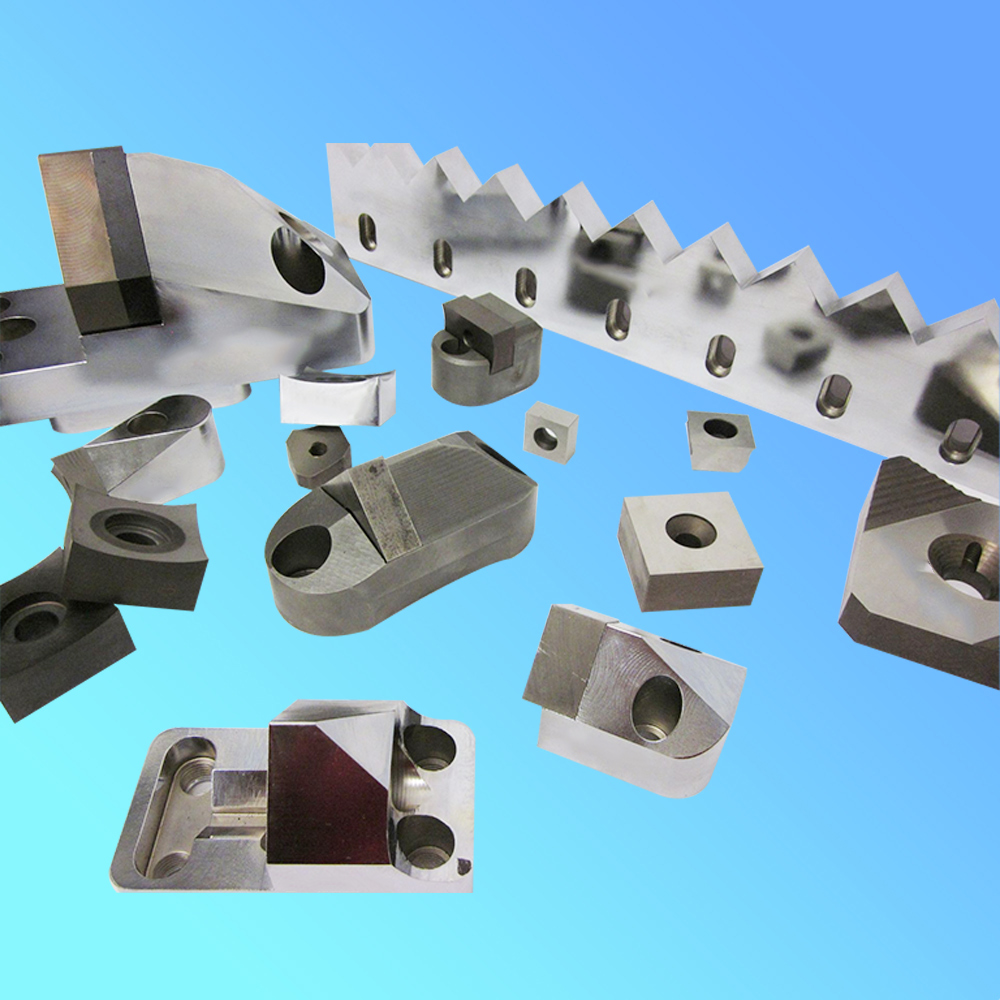
In-house maintenance offers immediate turnaround times. Facilities eliminate shipping delays and avoid waiting weeks for parts to return from a vendor. Skilled maintenance teams can perform minor edge dressing and routine touch-ups directly on the shop floor. This keeps the shredder running near peak efficiency with minimal interruption. In-house work is highly effective for correcting slight edge rounding before it develops into severe wear. When operators notice a slight drop in throughput, pulling the blades for a quick surface grind restores performance the same day.
However, in-house sharpening carries significant risks. Operators face a high probability of altering the precise cutting angle if they lack the proper fixtures. Free-hand grinding almost guarantees an uneven bevel. Uneven material removal creates blades of different weights. When you mount unbalanced blades on a high-speed rotor, the resulting vibration will destroy the main bearings and fatigue the rotor shaft. Successful in-house maintenance requires highly skilled personnel, dedicated machinery, and strict adherence to geometric tolerances. It is not a job for a novice mechanic with an angle grinder.
Equipment realities dictate the success of in-house programs. A heavy-duty surface grinder equipped with flood coolant is the industrial gold standard. It locks the blade in a magnetic chuck and ensures perfectly flat passes across the entire length of the steel. Unfortunately, many facilities attempt to use bench grinders, specialized belt sanders, or flat diamond plates. These budget alternatives significantly increase the risk of rounding the bevel. Bench grinders easily overheat the steel due to lack of coolant. Belt sanders struggle to maintain a perfectly flat plane across a long blade, often creating a convex edge that fails to shear properly.
Professional CNC grinding guarantees the restoration of original OEM geometries. CNC machines execute precise, computer-controlled passes that remove the exact amount of material required. They utilize high-volume flood coolant to manage heat perfectly, ensuring the steel temper remains intact. Professional services also conduct preliminary metallurgical inspections. They magnaflux the blades to detect microscopic cracks that naked eyes miss. This ensures only structurally sound blades return to your facility. They also balance the blades in matched sets, taking the guesswork out of rotor installation.
The drawbacks of outsourced sharpening revolve around logistics and inventory management. You face longer lead times, often stretching into weeks. Your facility must own a complete backup set of blades to keep the shredder operational while the dull set is out for service. You incur upfront service costs and heavy shipping overhead. Industrial blades are massive, often weighing hundreds of pounds per set, and freight costs add up quickly. You must also pack the blades in custom wooden crates coated in rust inhibitors to prevent damage and corrosion during transit.
Maintenance Method | Equipment Used | Best For | Primary Risk | Turnaround Time |
|---|---|---|---|---|
In-House Touch-Up | Diamond plates, fixed jigs | Minor edge rounding | Altering the bevel angle | Immediate (Hours) |
In-House Grinding | Surface grinder with coolant | Routine wear, light chips | Overheating the steel | Fast (1-2 Days) |
Professional CNC | CNC wet grinders | Deep chips, complex profiles | High shipping overhead | Slow (1-3 Weeks) |
Strict adherence to LOTO procedures is mandatory before accessing the cutting chamber. You must isolate all electrical, hydraulic, and pneumatic energy sources. Apply physical locks to the main disconnects. Bleed any residual hydraulic pressure from the pusher rams or hopper mechanisms. Verify the equipment is completely dead by attempting to start it from the control panel. Never bypass LOTO protocols. The cutting chamber is a highly dangerous environment, and gravity alone can cause a loose rotor to swing and cause severe injury.
Extracting heavy blades requires proper techniques and tools. Use heavy-duty impact wrenches to loosen torqued bolts. If bolts are seized from processing heat, apply penetrating oil and allow it to soak. Never use a cutting torch near the rotor, as the heat will warp the seating surfaces and ruin the rotor integrity. Use brass drifts to tap the blades out of their pockets. Support the blade weight with a sling or a dedicated lifting jig attached to an overhead crane. Dropping a hardened blade will chip the edge, damage the rotor seat, or crush a foot.
Clean the blade thoroughly prior to inspection. Industrial shredders process messy materials. Resins, melted plastics, adhesives, and packed debris often coat the blades in a thick, hard layer. Use industrial solvents, brass wire brushes, and plastic scrapers to remove this buildup. A clean blade reveals the true condition of the steel. You cannot accurately measure wear limits, set the blade in a magnetic chuck, or spot micro-cracks through a layer of melted polymer.
Mounting the blade securely dictates the accuracy of the grind. If you use a surface grinder, engage the magnetic chuck and verify the blade sits perfectly flat. Wipe the chuck down with a precision stone first to ensure no burrs or grit throw off the alignment. If you use a specialized sharpening jig or a milling vise, ensure the clamping force is distributed evenly. Any vibration or movement during the grinding process will create chatter marks on the bevel. Chatter ruins the cutting edge and creates stress risers where cracks can form under operational loads.
Setting the correct angle is the most critical setup step. You must perfectly match the existing OEM bevel. Use a digital angle gauge or a precision protractor to measure the factory angle before you begin. Shredder blade angles typically range between 35 and 55 degrees. The specific angle depends entirely on the material application. A steeper angle provides a sharper edge for soft materials like films and foams. A blunter angle provides impact resistance for hard materials like wood or thick plastics. Lock the jig or the grinder head exactly to this measurement and double-check it after the first light pass.
Select the correct abrasive wheel based on the blade steel alloy. Industrial blades are typically forged from high-carbon tool steels like D2, A8, or H13. Standard grinding wheels will glaze over, stop cutting, and burn these hard alloys. Use aluminum oxide wheels with a friable bond for general tool steel grinding. If your blades contain high vanadium content, upgrade to Cubic Boron Nitride wheels. CBN cuts cooler, requires less frequent dressing, and holds its shape longer, ensuring a flat bevel across the entire blade length.
Wet grinding with flood coolant is the industrial standard. High-volume coolant flushes away swarf and keeps the steel at a safe temperature. Ensure the coolant nozzles are aimed directly at the point of contact between the wheel and the blade. If you must perform low-speed dry grinding for minor touch-ups, you must execute light, consistent passes. Never let the wheel dwell in one spot. Enforce strict resting periods to let the steel air-cool. Heat is the absolute enemy of hardened tool steel.
Preventing the edge from turning blue or straw-colored is your primary risk mitigation. Discoloration indicates a catastrophic loss of temper. The heat has altered the molecular structure of the steel, making it soft and brittle. A softened edge will roll over and fail within hours of operation. If you blue the edge, you must grind past the discolored area entirely to reach hard steel again. This wastes valuable blade life and forces you to remove far more material than necessary.
Grinding pushes a microscopic lip of metal over the edge, known as a burr. You must remove this burr to expose the true cutting edge. Use a fine diamond stone to hone the edge manually. Run the stone flat against the back face of the blade, then lightly across the bevel. Avoid standard hand files. Industrial steel is often hardened to HRC 55 or higher. A standard file will simply skate off the surface, ruin the file teeth, and potentially chip the delicate new edge you just created.
Weigh the sharpened blades before installation. High-speed rotors require perfect dynamic balance. You must match blades in sets based on their final weight. Use a calibrated industrial scale. Install blades of identical weight on opposing sides of the rotor. If you install a heavy blade opposite a light blade, the rotor will vibrate violently. This imbalance destroys main bearings, loosens mounting bolts, and causes structural fatigue in the shredder housing.
Re-install the blades using anti-seize compound on the bolt threads and set the knife gap precisely. The clearance between the rotor knives and the stationary bed knives determines the shredder efficiency. Use long feeler gauges to measure this gap across the entire length of the rotor. Adjust the bed knife according to the OEM specifications, usually between 0.010 and 0.030 inches depending on the material. Torque all mounting bolts to the factory-required foot-pounds using a calibrated torque wrench. Rotate the rotor by hand for a full revolution to ensure no blades make contact before applying power.
Maintaining a single shaft shredder knife requires a different approach than traditional long blades. These cutters feature unique square, rectangular, or concave profiles. They are bolted individually into machined pockets across the rotor. Their compact size makes them easier to handle but requires precise indexing during installation to ensure the cutting radius remains perfectly cylindrical.
Operators must rotate these cutters to expose fresh edges. Most single shaft cutters offer four usable edges. When one edge wears down, you loosen the bolt, clean the pocket seat thoroughly, rotate the cutter 90 degrees, and torque it back down. You only remove the cutter for sharpening once all four edges are blunt. This design maximizes uptime and reduces maintenance frequency significantly compared to long-blade granulators.
Grinding these cutters involves addressing the hollow face. Many single shaft knives feature a concave center to create an aggressive cutting hook. You must grind the hollow face, not just the flat edge, to maintain this hook geometry. Using a specialized jig on a surface grinder ensures you remove equal material from all four sides. Uneven grinding will cause the cutter to sit improperly in the rotor pocket, leading to bolt fatigue and cutter breakage.
Managing the specific challenges of plastic shredding requires exceptional edge maintenance. plastic shredder knives must maintain a razor-sharp edge. Dull blades do not cut plastic; they stretch and tear it. This friction generates massive amounts of heat. The plastic melts, smears across the cutting chamber, and bridges between the blades. Smearing ruins throughput, blinds the sizing screens, and requires hours of manual chipping with crowbars to clean the machine.
Heat control during sharpening is exceptionally critical for these specific alloys. Plastic shredder blades often utilize high-chrome steels designed for extreme wear resistance against abrasive polymers. These alloys are highly sensitive to thermal shock during grinding. If you overheat the edge, the blade will lose its ability to retain sharpness. A soft blade processing tough plastics will round over almost immediately, restarting the melting and smearing cycle and forcing another shutdown.
Heavy-duty knives for the recycling industry face the harshest environments. Processing e-waste, scrap metal, or tire recycling guarantees constant impact with tramp metal. Solid steel chunks, heavy bolts, engine blocks, and thick bead wire routinely enter the cutting chamber. A razor-sharp, thin edge will shatter upon impact with these uncrushable objects, destroying the blade instantly.
Maintenance teams must accept a blunter, more robust edge angle for these applications. You prioritize durability and impact resistance over sheer sharpness. The bevel angle is intentionally steep, leaving more steel behind the cutting edge to absorb shock. When sharpening these blades, the goal is to remove spalling and restore the blunt shearing profile. You are not trying to create a knife edge; you are creating a high-impact shear plane capable of crushing and tearing through mixed metals without fracturing.
Risk: Altering the cutting angle. Free-hand grinding destroys the OEM geometry. A changed angle alters how the blade pulls material into the rotor, leading to jams and motor strain. Mitigation: Mandate the use of fixed-angle jigs. Prohibit maintenance staff from using handheld angle grinders on shredder blades under any circumstances.
Risk: Hand-Filing Inefficiencies. Maintenance personnel often attempt to touch up edges with standard steel files, wasting time and achieving nothing. Mitigation: Recognize that industrial blades are harder than standard files. Mandate the use of diamond abrasives for manual deburring or mechanized grinding for actual material removal.
Risk: Micro-fractures from aggressive grinding. Forcing a grinding wheel too hard into the steel creates microscopic surface cracks. These cracks expand under operational load, causing the blade to shatter. Mitigation: Implement a multi-stage grinding process. Use coarse grits for roughing, fine grits for finishing, and diamond stones for honing. Never force the feed rate.
Risk: Rotor imbalance. Installing blades of different weights causes severe vibration. This vibration destroys gearbox seals, shatters bearings, and fatigues the rotor shaft. Mitigation: Implement a strict weight-matching protocol. Weigh every blade after sharpening. Group blades into matched pairs and install them on opposing sides of the rotor to maintain perfect dynamic balance.
Risk: Improper knife gap clearance. Reinstalling blades without setting the gap allows material to fold over the edges, causing immediate plugging. Mitigation: Train staff to use long feeler gauges. Establish a mandatory sign-off sheet verifying the gap meets OEM specifications before the machine is energized.
Audit your current blade inventory immediately to identify any units with deep spalling or micro-cracking that require professional CNC restoration.
Procure a secondary set of matched blades to ensure your shredder remains operational while the primary set undergoes maintenance.
Establish a strict dimensional wear limit protocol based on OEM specifications to prevent operating blades that can no longer maintain the required knife gap.
Upgrade your in-house maintenance tooling by replacing bench grinders with a dedicated surface grinder equipped with flood coolant capabilities.
A: No. This is a common myth associated with light-duty office paper shredders. Industrial blades require mechanical grinding to remove hardened steel and restore the cutting geometry. Running foil through an industrial machine does absolutely nothing to the tool steel.
A: No. Industrial shredder blades are manufactured from highly tempered tool steel that is significantly harder than a standard hand file. You must use diamond stones for manual deburring or mechanized grinders for actual material removal.
A: The angle varies by manufacturer and application, but typically ranges from 40 to 55 degrees. You must always match the original OEM specification to ensure proper cutting dynamics. Altering this angle causes material feeding issues and increases motor strain.
A: If the steel turns blue, purple, or straw-colored during grinding, it has overheated. This localized area will be significantly softer, leading to rapid edge failure during operation. You must grind past this discolored zone to reach hardened steel again.
A: This depends on the depth of wear and the OEM minimum dimensional tolerance. Once the blade can no longer be adjusted to maintain the required knife gap, it must be replaced. Routine light dressing allows for many more sharpening cycles than waiting for deep chips.
A: Minor chips can be ground out, but deep fractures often require the blade to be scrapped. Grinding past a deep chip removes too much material and compromises the blade structural integrity. Cracked blades must never be reinstalled.


