
- Home
- Hot
- Products
- Application
- About Us
- Technical Guide
- News
- Contact Us
 English
Views: 0 Author: Site Editor Publish Time: 2026-09-24 Origin: Site


A printing process is only as precise as its metering system. When you compromise on equipment quality, you face accelerated cylinder wear, unwanted ink spitting, and unscheduled press downtime. The core function of these metering tools across high-volume print operations is simple but highly critical. They wipe excess fluid from image carriers to ensure crisp, accurate image transfer onto the substrate.
Choosing the right blade requires evaluating material compatibility, edge profile, and specific equipment tolerances. By aligning these mechanical factors, you balance print quality with operational safety and machinery lifespan. In this comprehensive guide, we explore how to optimize metering systems for different print methods. You will learn specific material selection logic, edge profile criteria, and practical implementation strategies to prevent common printing defects.
Flexo requirements: Prioritize anilox roll protection and containment within enclosed chamber systems.
Gravure requirements: Focus on minimizing friction and preventing chrome cylinder haze at high speeds.
Screen printing requirements: Demand precise flexibility for controlled ink shear through the rotary mesh.
Material selection: Steel offers high precision but risks cylinder scoring; advanced polymers/composites increase safety and blade life at the cost of maximum line-screen fidelity.
Operational impact: Correct blade seating and pressure significantly reduce solvent waste and prevent premature wear.
Uncontrolled ink film thickness causes severe dot gain, color inconsistency, and wasted substrate. The ink doctor blade serves as the primary mechanical gatekeeper for print quality. It shears fluid off the cylinder surface before the image transfers to the material. If this wiping action is inconsistent, your entire color management process fails. Operators cannot fix poor metering through software adjustments or prepress tweaks.
Treating any metering component as a generic commodity inflates hidden operational costs. These costs manifest through frequent changeovers, excess solvent consumption, and damaged ceramic or chrome rollers. When a blade wears unevenly, it allows fluid to bypass the contact zone. This creates streaks on the final product and forces operators to stop the press. Every stoppage wastes valuable production time and increases material scrap.
A successful deployment yields consistent fluid density across the entire web. It minimizes friction-induced heat, which can alter fluid viscosity during long runs. Furthermore, a highly optimized system provides predictable wear rates. Predictability allows technical teams to align changeovers with scheduled maintenance shifts. This proactive approach eliminates surprise failures and keeps production lines moving smoothly.
Inspect the blade holder for dried fluid buildup before installation.
Ensure the contact angle matches the specifications of your press manufacturer.
Measure wear patterns after every run to identify holder alignment issues early.
Flexography primarily utilizes enclosed chamber systems. These systems require two distinct blades working simultaneously: a metering blade and a containment blade. They create a sealed environment against the rotating anilox roll. This setup prevents fluid evaporation and maintains stable viscosity. However, it also introduces complex mechanical demands.
The flexo doctor blade must shear fluid off the anilox cell surface cleanly. It must perform this action without digging into the delicate ceramic engraving. Ceramic is exceptionally hard, but it is also brittle. Aggressive wiping or incorrect materials can fracture the cell walls. Once damaged, an anilox roll loses its volume capacity and must undergo expensive resurfacing.
Operators evaluate flexo components across several key dimensions:
Material Selection: UHMW (Ultra-High-Molecular-Weight) polyethylene is increasingly favored for the containment side. It seals well and causes minimal friction. For the active metering side, high-grade carbon or specialized coated steel delivers the precision required for fine line screens.
Risk Factors: "Spitting" or UV fluid leakage remains a persistent challenge. Operators often assume the blade material causes spitting. In reality, incorrect chamber pressure usually bows the blade. This bowing breaks the seal and allows fluid to escape.
Operational Outcome: The ultimate goal is extending the lifespan of expensive ceramic anilox rollers while maintaining consistent color density.
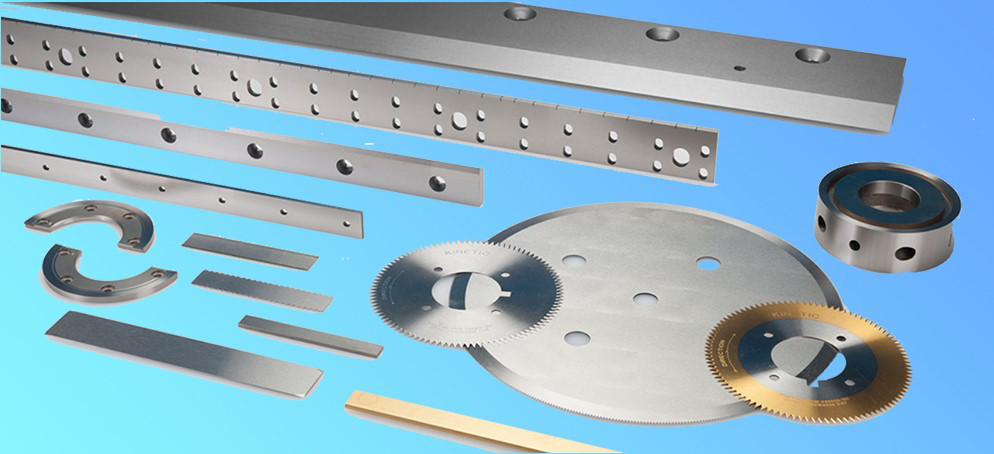
Gravure printing operates under entirely different mechanical constraints. The process requires wiping excess fluid directly from a chrome-plated engraved cylinder. Chrome provides an exceptionally smooth surface, but the press runs at extremely high speeds. This creates an environment of constant, high-intensity direct friction.
The gravure doctor blade must clear the non-image area completely. If it leaves a microscopic film behind, the final print will show "haze" or "scumming." Haze degrades image contrast and ruins packaging aesthetics. Achieving a perfectly clean wipe requires strict adherence to specific edge profiles and material hardness levels.
Evaluating gravure metering tools involves three primary dimensions:
Edge Profile: Lamella (stepped) edges are the industry standard for gravure. They maintain a consistent contact patch even as the metal wears down. This guarantees the wiping area remains uniform from the first impression to the millionth.
Material Compatibility: High-carbon steel is standard. However, highly abrasive gravure fluids often demand coated steel. Ceramic or nickel coatings withstand the abrasive nature of these fluids and endure high line speeds without rapid degradation.
Risk Factors: The biggest risk is steel fragments breaking off. These fragments get trapped against the cylinder, causing catastrophic scoring. Proper blade angle is non-negotiable. An angle between 55 and 65 degrees typically provides the safest and cleanest wipe.
Rotary screen printing presents a unique fluid dynamics challenge. The metering tool does not scrape a solid cylinder. Instead, it sits internally within a rotary screen cylinder. Its job is to push fluid through the mesh and onto the substrate. The mechanics revolve around controlling hydrostatic pressure rather than surface friction.
The screen printing doctor blade manages the shear of the fluid. It must possess exact flexibility to adapt to the internal curvature of the mesh. If the blade is too rigid, it forces too much fluid through the holes, causing blurry images. If it lacks enough rigidity, the fluid film becomes too thin, leading to weak color density.
Operators must evaluate flexibility and edge profile carefully. Rotary mesh is typically made of delicate nickel. A sharp or overly aggressive edge can easily tear the screen. Therefore, screen printing often utilizes a round or custom-beveled edge. Flexible steel or highly durable composites work best to prevent tearing while maintaining steady pressure.
Application focus heavily influences the selection. Screen printing often applies heavy coverage, tactile varnishes, or conductive fluids. These high-viscosity materials require blades that can handle heavy resistance without deflecting backward. A highly rigid composite bevel edge usually provides the structural support needed for these specialty applications.
Building a reliable metering strategy requires a logical decision framework. You must map the specific doctor blade material and its edge profile to your exact press conditions. Every material carries distinct operational tradeoffs regarding precision, corrosion resistance, and cylinder safety.
Carbon steel serves as the baseline standard across the industry. It provides high precision and excellent wiping capabilities. However, it is highly susceptible to rust. This makes it a poor choice for water-based environments. Stainless steel solves the corrosion problem. It resists oxidation from water-based fluids perfectly, though it offers slightly lower wear resistance than high-carbon options.
Coated variations utilize ceramic, nickel, or specialty polymers on the tip. They significantly lower friction and resist abrasive pigments. While they require a higher initial investment, they easily outlast standard steel on long-run jobs. Composites and plastics offer a completely different advantage. They carry zero risk of cylinder scoring. They are safer for operators to handle and work exceptionally well for corrugated printing. However, they may struggle to wipe ultra-fine line screens cleanly.
The shape of the wiping edge determines the contact patch against the cylinder. As the blade wears, this contact patch changes. Selecting the right profile ensures the patch remains within acceptable tolerances.
Edge Profile | Primary Characteristics | Best Application |
|---|---|---|
Radius / Round Edge | Fast break-in period, less aggressive contact angle. | Screen printing, heavy particulate fluids, preventing mesh damage. |
Bevel Edge | Strong structural support, resists backward deflection. | High-viscosity fluids, heavy varnishes, solid color blocks. |
Lamella (Stepped) Edge | Precision metering; keeps consistent contact area as it degrades. | Gravure and high-resolution flexo, long continuous press runs. |
Choosing carbon steel for highly acidic water-based jobs, leading to rapid tip oxidation.
Using a thick bevel edge for ultra-fine highlight dots, resulting in poor shear.
Ignoring the abrasive nature of white titanium dioxide pigments when selecting uncoated steel.
Even the highest-quality printing machine blade will fail if operators install it incorrectly. The most prevalent operational error is the "more pressure" myth. When operators notice poor wiping or haze, their immediate instinct is to increase chamber or blade pressure. This approach usually backfires.
Excessive pressure bends the material. When the blade bows, the contact area changes from the precision tip to the flat side of the metal. This destroys the wiping angle, accelerates wear exponentially, and often leads to metal fatigue. It also forces tiny metal particles into the fluid system, which eventually score the cylinder.
Proper implementation directly impacts facility sustainability and waste reduction. A perfectly fitted profile reduces the volume of fluid trapped in the chamber. It also drastically reduces the volume of solvent required during wash-up. A clean wipe means less fluid migration to non-image areas, minimizing overall material waste.
To roll out a new metering strategy effectively, facilities must eliminate operator-to-operator variability. Standardizing installation procedures is mandatory. Facilities should use torque wrenches for chambered systems to ensure identical seating pressure every time.
Request Trial Samples: Obtain sample coils or pre-cut strips of advanced coated or composite materials.
Run a Supervised Trial: Install the trial material on a single press unit alongside standard materials for direct comparison.
Track Hard Metrics: Measure linear feet printed per blade before failure.
Monitor Hardware Health: Inspect anilox or cylinder wear microscopically over a 30-day period.
Log Stoppages: Record total downtime dedicated purely to changeovers during the trial phase.
The metering system serves as a critical, high-impact component of the printing process, not just a disposable consumable. Upgrading your wiping technology represents one of the most reliable methods for improving daily operational efficiency. By stopping uncontrolled fluid transfer, you protect your most expensive hardware from premature destruction.
Aligning material composition and edge profile with your specific printing method is the only reliable path forward. Flexo systems demand ceramic protection. Gravure processes require high-speed friction management. Screen operations need precise shear control. Each discipline requires a tailored mechanical approach to achieve consistent print quality.
We encourage procurement and technical teams to conduct an immediate audit of their current wear patterns. Examine discarded blades for uneven degradation or excessive bowing. Consult with a specialized tooling manufacturer to test advanced coatings or alternative profiles. Taking proactive steps today will secure cleaner prints and longer machinery lifespans tomorrow.
A: Lifespan varies heavily based on material composition, ink abrasiveness, and press speed. A standard carbon steel blade might last one shift, while advanced ceramic-coated versions can run continuously for millions of impressions. Focus on predictable wear rates rather than sheer longevity. Predictability allows you to change components during scheduled downtime.
A: Uneven wear typically stems from mechanical misalignment. Warped blade holders, uneven chamber pressure across the cylinder, or improper bolting sequences cause the blade to seat poorly. When pressure is not distributed uniformly, some sections bear higher friction loads, leading to rapid, localized degradation and streaking.
A: It is highly discouraged to use standard carbon steel for water-based inks due to rapid rust and corrosion risks. Oxidation destroys the precision wiping edge. For water-based applications, stainless steel or advanced plastic composites are heavily preferred. Solvent inks are generally safer for carbon steel.
A: Scoring occurs when trapped metal particles, dried ink, or excessive mechanical pressure drag across the ceramic surface. You can prevent scoring by using minimal necessary pressure to avoid breaking off metal fragments. Switching to advanced polymer or composite blades entirely eliminates the risk of metal-on-ceramic scoring.


