
- Home
- Hot
- Products
- Application
- About Us
- Technical Guide
- News
- Contact Us
 English
Views: 0 Author: Site Editor Publish Time: 2026-08-15 Origin: Site


Industrial paper slitting operates as a primary driver of production uptime. Machine efficiency relies heavily on the quality of every single cut. You cannot treat slitting simply as a basic mechanical process. Suboptimal blades generate excessive dust and crush core edges constantly. These poor results immediately lead to costly machine downtime. Poorly cut materials reject easily in downstream processing, creating severe production bottlenecks.
Evaluating a paper tube slitting knife requires looking far beyond the upfront unit cost. Buyers must carefully assess material durability, edge geometry, and vendor engineering standards. We know high-quality blades transform unpredictable converting lines into highly reliable operations. You will learn how to match blade specifications perfectly to your specific applications. This guide also explores how proper setup procedures prevent expensive equipment failures. Ultimately, you will gain the knowledge needed to secure consistent, high-precision cuts.
Upfront blade cost represents only a fraction of total cutting expenses; machine downtime and regrinding frequency dictate true ROI.
Material selection (e.g., D2, HSS, Tungsten Carbide) must strictly align with the abrasive properties of the specific paper stock.
Precise pairing of top and bottom slitter knives is critical for shear slitting to eliminate web breaks and edge burrs.
Proper setup protocols and dimensional tolerances are non-negotiable for operator safety and prolonged blade life.
Cheap cutting tools quickly reveal their flaws on the production floor. You might save money initially, but poor edge retention causes frequent changeovers. These constant interruptions halt production lines and waste valuable labor hours. Compromised cut quality leads directly to high product rejection rates. Customers simply will not accept paper cores featuring fuzzy edges or crushed walls.
You must contrast the initial purchase price of a standard paper processing blade against the extended lifespan of premium metallurgy. Advanced materials require far less maintenance over their operational life. They hold sharp edges longer and resist abrasive wear effectively. This extended durability dramatically reduces your long-term operational expenses. Your maintenance teams spend less time troubleshooting and more time optimizing machine performance.
Defining a successful purchase involves measuring specific performance metrics. You should look for a measurable reduction in airborne paper dust. An ideal blade extends the mean time between replacements significantly. Clean core edges indicate a perfect shear cut without material deformation. We consider a blade successful when it operates reliably across multiple shifts without manual intervention.
Cost Impact Comparison: Standard vs. Premium Blades | ||
Performance Metric | Standard Blade | Premium Engineered Blade |
|---|---|---|
Changeover Frequency | High (Multiple times per week) | Low (Scheduled monthly intervals) |
Dust Generation | Severe (Requires frequent cleaning) | Minimal (Reduces maintenance stops) |
Edge Quality | Prone to crushing and burrs | Clean, square, and dimensionally accurate |
Overall Downtime | Significant productivity losses | Maximized machine uptime |
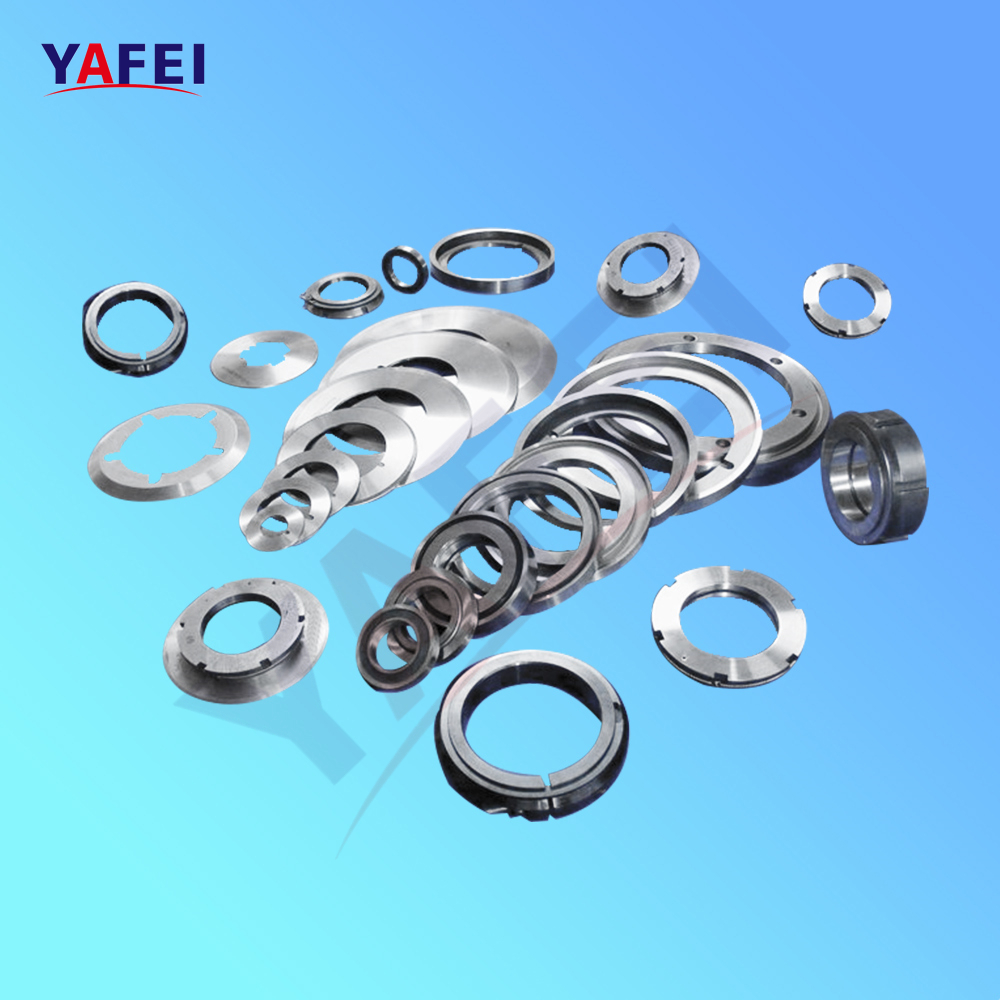
Selecting the correct metallurgy determines how well your blade withstands continuous friction. Different paper stocks present entirely different abrasive challenges. Tool steels like 52100 and D2 work best for standard converting operations. They offer excellent impact resistance when handling basic cardboard materials. You rely on these steels when shock absorption matters more than extreme hardness.
High-Speed Steel (HSS) serves as the industry standard for mid-to-high volume runs. It perfectly balances wear resistance and toughness. HSS handles elevated cutting temperatures without losing its structural integrity. Tungsten Carbide provides the highest possible wear resistance for highly abrasive recycled paper. Recycled stocks contain hidden contaminants like sand and grit. Carbide slices through these impurities easily, though it remains highly susceptible to chipping if mishandled.
Bevel configurations directly dictate how the blade penetrates the material.
Single-Bevel: Offers an aggressive cutting angle ideal for thin materials. It minimizes cutting resistance perfectly.
Double-Bevel: Provides superior structural support behind the cutting edge. You use this for thicker, denser paper cores.
Specialized Angles: Custom geometries engineered to prevent core deformation during high-speed penetrations.
Surface treatments provide an extra layer of operational protection. Coatings like Titanium Nitride (TiN) harden the surface and reduce friction significantly. Teflon coatings prevent adhesive buildup when cutting treated or glued paper tubes. These treatments stop sticky residues from degrading the cutting edge. They ensure the blade glides smoothly through complex composite materials.
The shear slitting mechanism relies entirely on synchronized precision. A critical interplay occurs between the upper circular paper slitting knife and the lower anvil blade. They act like highly calibrated scissors. If they fail to meet cleanly, the paper web tears instead of cutting. You must maintain their spatial relationship perfectly to guarantee edge quality.
Micro-level precision in concentricity and flatness remains absolutely critical. Imperfect dimensions cause blade wobbling during high-speed rotation. This wobbling leads to uneven contact patches and premature wear. It generates severe edge burrs on your finished paper tubes. Proper tolerance standards prevent vibration from ruining your materials. We always emphasize checking runout measurements during the initial installation phase.
Tension and overlap rules dictate the success of your shear slitting setup. You must implement baseline considerations for blade overlap accurately. Too much overlap creates excessive friction and heat. Too little overlap allows the material to slip between the blades unsevered. Side-load pressure requires equally careful management. Top and bottom slitter knives need just enough pressure to maintain contact. Excessive side-load destroys blade edges rapidly and overheats the arbor motors.
Clean all arbor shafts and mounting surfaces thoroughly before installation.
Set the lower anvil blade securely, ensuring zero lateral movement.
Adjust the top blade overlap according to the specific material thickness.
Apply minimal side-load pressure to achieve a true shear cut.
Test the rotation manually to feel for binding or excessive friction.
Thick-wall paper tube cores demand extreme blade stability. Industrial packaging cores use highly compressed adhesives and dense kraft paper. Your blades require sufficient thickness to prevent deflection during the cut. If a blade flexes under load, it causes severe crush damage to the tube walls. Crush-resistance becomes the primary engineering focus here. You must deploy robust blades featuring reinforced double-bevel geometries to handle these extreme pressures.
Tissue and towel converting presents an entirely different set of challenges. Consumer product quality relies on a remarkably soft, clean cut. A dedicated tissue converting knife must operate flawlessly at high speeds. Minimizing paper dust is paramount in tissue facilities to prevent fire hazards and machinery jams. The blade requires a razor-sharp, polished edge to slice through loose fibers without tearing them. Any roughness on the blade surface ruins the tissue rolls instantly.
Film and foil hybrids introduce complex material behaviors into the slitting process. Some packaging tubes feature composite layers or aluminum foil linings. These materials behave unpredictably when sheared. When your paper tube cutter blade encounters foil, it must resist micro-abrasion. You typically need specialized coatings to prevent the foil from galling onto the blade surface. Edge angles often require adjustment to slice through plastics without stretching them before the cut finishes.
Operator handling procedures heavily influence blade longevity. Premium blades, especially those made from Tungsten Carbide, exhibit extreme hardness but high brittleness. Operators risk micro-chipping the edges simply by setting them down too hard on a metal workbench. You must emphasize the need for specialized handling tools. We strongly recommend implementing strict Standard Operating Procedures (SOPs) for blade storage and transport. Using wooden or plastic cradles prevents accidental impact damage before installation even begins.
Identifying wear patterns helps diagnose underlying mechanical issues accurately. You can read the blade like a diagnostic tool.
Galling: Indicates excessive heat and friction, often from too much side-load pressure.
Chipping: Points to brittle material failure or impact with foreign debris in the paper web.
Rolled Edges: Suggests the material is too dense for the current bevel angle or steel grade.
Understanding these patterns prevents you from repeating the same setup errors. It separates basic material failure from poor alignment practices.
Assessing regrinding feasibility requires strict dimensional awareness. You must know when it makes economic sense to regrind versus replace. Every time a blade undergoes regrinding, its outside diameter shrinks. You must track the maximum allowable diameter reduction carefully. Once a blade drops below this critical dimension, it no longer overlaps the anvil correctly. Cut quality degrades rapidly at this point. We advise discarding blades once they reach their minimum diameter threshold to preserve product integrity.
You must demand stringent quality assurance standards from your suppliers. Exceptional manufacturers gladly provide compliance documentation and metallurgical testing certifications. ISO standards demonstrate a commitment to repeatable manufacturing processes. You should specifically request hardness testing reports for your batches. These reports prove the vendor heat-treated the steel correctly. Inconsistent hardness leads to unpredictable blade failures on your line. Transparency in quality control separates reliable partners from mere parts distributors.
Custom engineering capabilities offer massive advantages for complex facilities. Can the vendor adjust OEM specifications easily? You might need a slightly larger bore size or modified keyways to fit older machinery. Sometimes, altering bevel angles by just a few degrees resolves persistent facility bottlenecks. A capable manufacturer analyzes your torn materials and engineers a custom geometry to fix the exact problem. They do not just force a standard catalog item into your unique application.
Supply chain reliability dictates your operational security. You must evaluate vendor lead times strictly. Extended delivery delays force you to run dull blades, ruining your final products. Investigate whether the manufacturer offers dedicated inventory stocking programs. Having your specific blades held in their warehouse ensures immediate shipping during emergencies. Technical support availability matters just as much. When troubleshooting difficult setup issues, you need direct access to their metallurgical engineers.
A paper tube cutter blade functions as a highly engineered component, not a generic consumable. Its exact geometry and metallurgy dictate your overall line efficiency. Ignoring proper material selection and setup protocols guarantees excessive downtime and ruined materials. You must align your blade specifications directly with your specific paper core densities.
Begin by auditing your current blade replacement frequency to establish a performance baseline. Document exactly how often machines stop for blade changes. Next, request a metallurgical consultation or arrange a trial run with a vetted, high-quality supplier. Testing premium materials in your actual production environment proves their true long-term value.
A: Regrinding frequency depends heavily on the blade material and your throughput volume. High-Speed Steel requires more frequent sharpening than Tungsten Carbide. You should monitor visual indicators like increased paper dust or jagged core edges. Operationally, if the machine motor draws more amperage, the blade is dull. Schedule regrinds proactively before edge degradation ruins your materials.
A: Excessive dust generally stems from dull cutting edges tearing the fibers rather than slicing them. Improper bevel angles that fail to penetrate the paper density smoothly also generate severe dust. Additionally, incorrect top and bottom blade overlap causes the material to crush and fracture, releasing massive amounts of airborne particulates.
A: You can upgrade, but you must verify machine rigidity first. Carbide is exceptionally hard but highly brittle. It remains unforgiving to vibration or arbor runout. If your standard machinery features worn bearings or misaligned shafts, the vibration will shatter the carbide edge instantly. Ensure precise tolerances before making this material upgrade.
A: Uneven wear usually points directly to improper setup errors. Applying excessive side-loading pressure forces the blades to grind against each other aggressively. Mismatched blade hardness also causes issues; a significantly harder top blade will quickly destroy a softer bottom anvil. Always verify parallel alignment and use appropriate engagement pressures.


